Beyond the Sweep: Proactive Strategies for Managing Needle and Sharps Risks for UK Businesses.
Introduction: The Unseen Threat Lurking in Plain Sight
In the bustling commercial landscapes of the United Kingdom, from vibrant city centres to sprawling retail parks and the everyday operations of countless businesses, an often-overlooked danger presents a significant and multifaceted threat: improperly discarded needles and other sharp objects. While the immediate image conjured might be of illicit drug use, the reality of sharps waste is far broader, encompassing medical waste, improperly disposed of DIY materials, and even carelessly discarded craft or industrial implements. For property managers, business owners, and facilities managers across the UK, the presence of these items is not merely an unsightly nuisance; it represents a complex web of risks spanning serious health hazards, significant legal liabilities, potential reputational damage, and considerable financial implications.
Moving beyond a purely reactive approach of simply ‘sweeping them up’ when discovered, a proactive and comprehensive strategy for managing needle and sharps risks is no longer a matter of best practice, but a fundamental necessity for ensuring the safety of employees, customers, the general public, and the operational integrity of the business itself. This article delves into the pervasive nature of these threats, exploring the tangible dangers they pose and outlining the critical proactive strategies that British businesses must implement to safeguard their environments and fulfil their duty of care in an increasingly challenging public health landscape.
The Proactive Stance: Implementing Robust Sharps Risk Management Strategies
Given the severe and multifaceted risks posed by discarded needles and sharps, a reactive approach is demonstrably insufficient and, frankly, irresponsible for UK businesses and property managers. The cornerstone of effective protection lies in the development and diligent implementation of proactive risk management strategies. This begins with a thorough and site-specific risk assessment. Businesses must meticulously evaluate their premises, identifying areas where sharps are likely to be discarded, such as public toilets, secluded outdoor areas, car parks, bin stores, and landscaped zones. This assessment should consider factors like the local environment, patterns of public access, historical incidents, and the nature of the business operations. Understanding the specific vulnerabilities of a site is the first critical step towards mitigating them. For instance, a retail park with extensive public access and late-night opening hours will face different challenges compared to a self-contained office building, and their respective risk assessments and subsequent strategies must reflect these nuances.
Following a comprehensive risk assessment, the implementation of clear and robust policies and procedures is paramount. These should detail safe working practices for staff who may encounter sharps, including clear instructions on never directly handling discarded needles, the correct use of personal protective equipment (PPE) – such as puncture-resistant gloves and litter-picking tools – and established protocols for reporting and isolating any finds. Regular staff training is an indispensable component of this. All relevant employees, from cleaning operatives and security personnel to grounds maintenance staff and even general employees who might stumble upon a discarded sharp, must be educated about the risks, the company’s policies, and the correct emergency procedures to follow in the event of an injury or discovery. This training should not be a one-off event but an ongoing process, with regular refreshers and updates, particularly when new staff join or if new risks are identified. Documentation of such training is also crucial for demonstrating due diligence.
Physical and environmental controls play a significant role in a proactive strategy. This can include designing or modifying public spaces to deter anti-social behaviour and drug use, such as improving lighting in vulnerable areas, removing secluded spots where individuals might congregate, and using robust, tamper-proof sharps disposal bins in designated public or staff washrooms if appropriate for the setting (e.g., in healthcare-adjacent facilities or public conveniences where a need is identified). Regular and visible patrols by security or cleaning staff, especially in high-risk zones and at high-risk times, can act as a deterrent and ensure prompt discovery and safe removal of any discarded items. Furthermore, businesses should establish clear communication channels with local authorities and specialist cleaning services. Knowing who to contact for the safe and legal removal of sharps waste is essential, as improper disposal by untrained staff can exacerbate the risks. Partnering with a professional, licensed clinical waste disposal and specialist cleaning company, such as Perfect Clean Ltd., ensures that any discovered sharps are handled, transported, and disposed of in full compliance with UK regulations, including the Environmental Protection Act 1990 and the Hazardous Waste Regulations.
Learning from Reality: Case Studies and the Imperative for Vigilance
The imperative for such proactive measures is starkly illustrated by numerous incidents and case studies across the UK, though specific high-profile business-related cases are often settled discreetly to avoid further reputational damage. However, data from the Health and Safety Executive and reports from healthcare bodies consistently show the persistent danger of sharps injuries. For example, while much data focuses on healthcare settings, the principles of risk and consequence are transferable. The ‘Eye of a Needle’ report, though dating back some years, highlighted infections among healthcare workers from needlestick injuries, underscoring the severe potential outcomes. More broadly, local councils across the UK frequently report on the challenges of clearing discarded needles from public parks, alleyways, and even commercial peripheries. Each of these instances represents a near miss or an actual risk exposure for council workers, cleaning staff, or members of the public, including children.
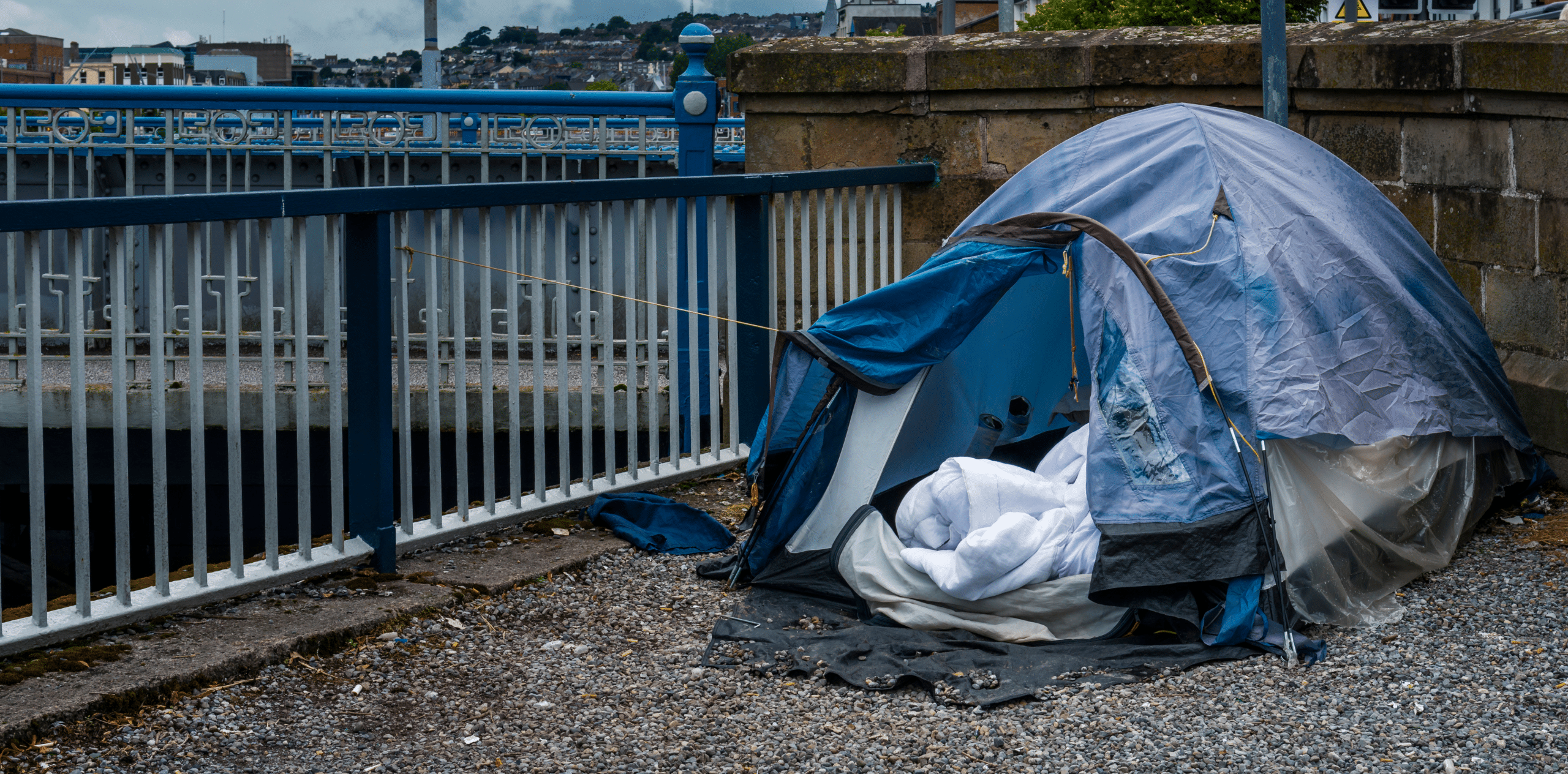
Consider a hypothetical but entirely plausible scenario: a child playing in a poorly lit and inadequately monitored outdoor seating area of a fast-food restaurant discovers a discarded syringe and sustains a puncture wound. The subsequent health scare for the child and family, the immediate negative publicity for the restaurant chain, the inevitable investigation by environmental health and the HSE, and the potential for a significant compensation claim would be devastating. Similarly, an employee in a retail stockroom, tasked with clearing out an area used by rough sleepers for shelter, could be injured by a hidden needle if proper search protocols and protective equipment were not mandated and provided. These are not far-fetched scenarios but reflect real-world vulnerabilities that proactive strategies aim to prevent. The consistent message from safety bodies and specialist cleaning services is that vigilance, coupled with robust procedures and professional support, is key to mitigating these ever-present risks.
Navigating the Regulatory Maze: Compliance and Best Practice
UK businesses operate within a stringent regulatory framework designed to protect public and employee health. Key legislation includes the aforementioned Health and Safety at Work etc. Act 1974, which places a general duty on employers to ensure, so far as is reasonably practicable, the health, safety, and welfare at work of all their employees and to conduct their undertaking in such a way as to ensure, so far as is reasonably practicable, that persons not in their employment who may be affected thereby are not thereby exposed to risks to their health or safety.
The Management of Health and Safety at Work Regulations 1999 further require employers to make a suitable and sufficient assessment of risks. Crucially, the Control of Substances Hazardous to Health Regulations 2002 (COSHH) are directly applicable, as biological agents (like BBVs on contaminated sharps) are considered substances hazardous to health. COSHH mandates risk assessments, control measures to prevent or adequately control exposure, provision of information and training, and health surveillance where appropriate. Specific guidance, such as that provided by the HSE on avoiding needlestick injuries, outlines expected control measures, including avoiding sharps use where possible, using safer sharps, safe handling techniques, and correct disposal procedures.
For businesses that generate or encounter sharps waste, the Environmental Protection Act 1990 and associated waste management regulations (including the Hazardous Waste Regulations) dictate the legal requirements for segregation, storage, transport, and disposal of such waste. This often necessitates the use of licensed waste carriers and approved disposal facilities. Failure to comply with these multifaceted regulations can lead not only to the severe penalties previously discussed but also to a fundamental breach of the trust placed in businesses to operate safely and responsibly. Adopting a proactive stance, therefore, is not just about avoiding harm; it is about upholding legal and ethical obligations.
Conclusion: Partnering for a Safer Tomorrow
The threat posed by discarded needles and sharps in public and commercial spaces across the UK is persistent, complex, and carries severe consequences. From the immediate risk of life-changing infections and physical injuries to the significant legal, financial, and reputational damage that can cripple a business, the stakes are undeniably high. A purely reactive approach of dealing with these hazards only after they are discovered is no longer tenable. Instead, British businesses and property managers must embrace a proactive, comprehensive, and ongoing strategy for risk management. This involves meticulous site-specific risk assessments, the implementation of robust policies and clear procedures, regular and thorough staff training, effective physical and environmental controls, and a commitment to full regulatory compliance.
Crucially, it also involves recognising when professional expertise is required. Specialist cleaning and decontamination services, like those offered by Perfect Clean Ltd., provide the necessary skills, equipment, and adherence to stringent safety protocols to manage sharps incidents safely and effectively, and to advise on preventative measures. By taking these threats seriously and investing in proactive management, businesses can not only protect their employees, customers, and the wider public but also safeguard their operations, their reputation, and their bottom line, contributing to a safer and more secure commercial environment for all.
Should you wish to discuss your specific sharps risk management needs or require professional assistance with needle sweep services or biohazard cleaning, please do not hesitate to Contact Us for a confidential consultation and expert guidance.