
Edinburgh Bird Dropping Cleaning: Why Sandstone Buildings Need Urgent Protection
Edinburgh’s Enduring Problem: Why Regular Bird Dropping Cleaning is Crucial for Historic and Commercial Properties Introduction: The Feathered Menace Over Auld Reekie’s Architectural Heritage Edinburgh, a city renowned for its dramatic skyline, rich history, and stunning architecture – from the…
By Rafal Piskorski, Health and Safety Manager · Updated · Bird Dropping & Guano Removal
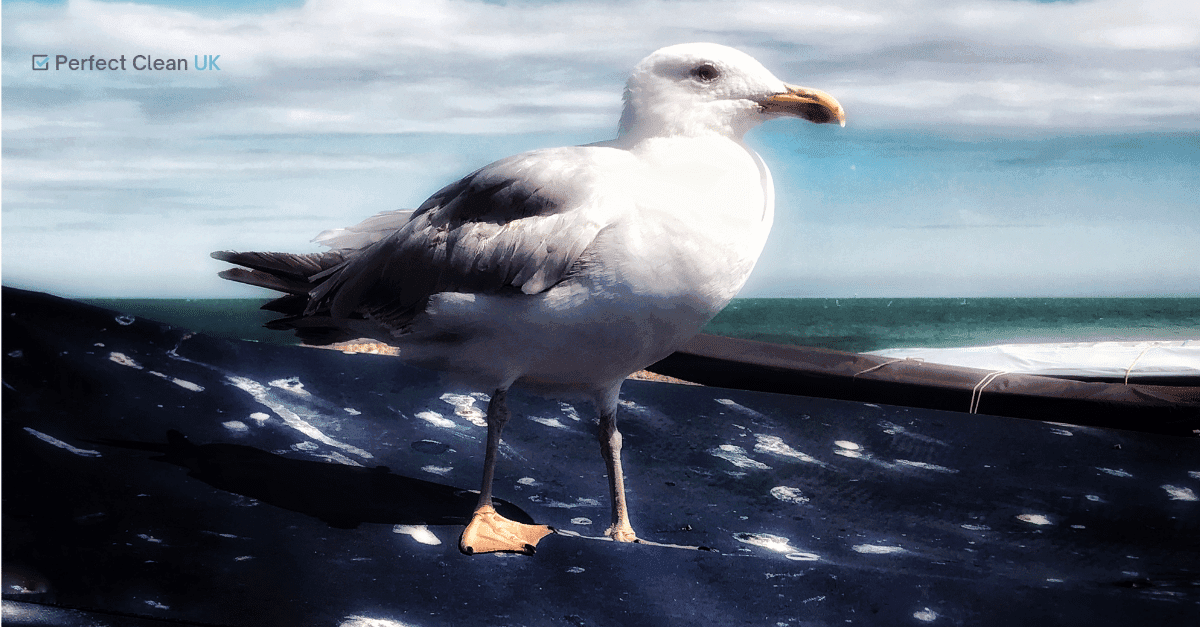
Edinburgh’s Enduring Problem: Why Regular Bird Dropping Cleaning is Crucial for Historic and Commercial Properties
Introduction: The Feathered Menace Over Auld Reekie’s Architectural Heritage
Edinburgh, a city renowned for its dramatic skyline, rich history, and stunning architecture – from the ancient stones of its Old Town to the elegant Georgian facades of the New Town – faces a persistent and often underestimated adversary: bird droppings. While pigeons have long been urban inhabitants, the increasing population and boldness of gulls, particularly in coastal cities like Edinburgh, have exacerbated the problem. Their guano, far from being a mere unsightly nuisance, poses a significant threat to the fabric of the city’s buildings, especially its cherished historic sandstone structures and bustling commercial properties. The acidic nature of bird droppings can cause irreversible damage to delicate stonework, while the accumulation of waste presents serious health hazards and can lead to costly repairs and reputational damage for businesses. This article will delve into the specific challenges posed by pigeon and gull guano in Edinburgh, exploring the risks to both historic and commercial properties, the particular vulnerability of sandstone, and why regular, professional cleaning is not just a matter of aesthetics but a crucial component of property maintenance and public safety in Scotland’s capital.
Need professional help? Perfect Clean UK provides bird dropping and guano removal across Scotland and the North of England.
The Dual Threat: Pigeons and Gulls in Edinburgh’s Urban Ecosystem
Edinburgh’s unique blend of historic architecture and its proximity to the coast create an attractive environment for various bird species, with pigeons and gulls being the most prominent and problematic for property owners. While pigeons are a long-standing feature of urban environments worldwide, often roosting on ledges, window sills, and within sheltered alcoves of buildings, Edinburgh’s gull population, particularly herring gulls and lesser black-backed gulls, presents an increasingly significant challenge. Gulls are larger, more aggressive, and produce more substantial and acidic droppings than pigeons. Their nesting habits, often on flat roofs, chimneys, and parapets of both historic and modern commercial buildings, lead to significant accumulations of guano, nesting materials, and food debris. This not only blocks gutters and drains, leading to water damage, but the sheer volume of their waste accelerates the deterioration of building materials. Pigeons, though smaller, tend to congregate in larger numbers, and their persistent presence in specific areas can lead to equally damaging and unsightly build-ups over time. The combined impact of these two species means that Edinburgh properties face a relentless assault from bird fouling, necessitating a comprehensive understanding of their behaviours and the specific risks each poses to effectively manage the problem and protect the city’s valuable architectural assets.
Sandstone’s Silent Scourge: How Bird Droppings Irreversibly Damage Edinburgh’s Iconic Buildings
Much of Edinburgh’s distinctive architectural character is derived from its widespread use of local sandstone, a material prized for its warm hues and workability. However, this very same sandstone is particularly vulnerable to the corrosive effects of bird droppings. Gull and pigeon guano is highly acidic, primarily due to the presence of uric acid, phosphoric acid, and nitric acid. When these droppings accumulate on sandstone surfaces, a chemical reaction begins. The acids gradually dissolve the calcium carbonate that acts as a natural cement, binding the sand grains together within the stone. This process, known as acid erosion or chemical weathering, weakens the stone’s structure from the surface inwards. Initially, this may manifest as discolouration and light staining, but over time, it leads to more severe consequences. The stone can become friable, meaning it crumbles easily to the touch. Surface details on historic carvings and mouldings can be lost forever, and the structural integrity of the stone can be compromised, leading to spalling (flaking or peeling of the surface) and pitting. Furthermore, the high moisture content in fresh droppings, combined with the organic matter they contain, encourages the growth of algae, moss, and lichen. These biological growths retain moisture against the stone surface, exacerbating freeze-thaw cycles in Edinburgh’s often damp and cold climate. Water penetrates the now more porous stone, freezes, expands, and causes further cracking and delamination. The damage is often insidious, occurring slowly over years, but the cumulative effect can be devastating, requiring costly and complex specialist stone repairs and conservation work. For a city that trades heavily on its architectural heritage, the impact of bird guano on its sandstone buildings is a serious concern that demands proactive and sensitive cleaning solutions.
Beyond Aesthetics: Health Hazards and Commercial Implications of Bird Fouling in Edinburgh
The problems caused by bird droppings in Edinburgh extend far beyond the visual defacement of buildings and damage to historic sandstone. Accumulated guano from pigeons and gulls is a significant public health concern and can have serious commercial implications for businesses across the city. Bird droppings are known to harbour a host of pathogenic microorganisms, including bacteria like E. coli and Salmonella, fungi such as Histoplasma capsulatum (which can cause histoplasmosis, a respiratory disease), and viruses. When dried droppings become aerosolised, for instance, through wind, sweeping, or disturbance during improper cleaning attempts, these pathogens can be inhaled by employees, customers, or passers-by, leading to a range of illnesses. Furthermore, bird nesting materials and droppings can attract insects and other pests, such as mites and flies, creating secondary infestation problems that further compromise hygiene and can be particularly damaging for businesses in the food service, hospitality, or retail sectors. The presence of significant bird fouling can also create slip hazards on pavements and walkways, especially when wet, posing a direct physical risk to the public and potentially leading to liability claims against property owners or businesses.
For commercial properties in Edinburgh, the impact of unchecked bird guano can be multifaceted. Firstly, there is the direct cost of cleaning and repair. Regular removal of droppings, especially from difficult-to-access areas like high roofs or intricate historic facades, requires specialist equipment and trained personnel. If left unaddressed, the damage to building materials – not just sandstone, but also roofing materials, metalwork, paintwork, and guttering systems – can necessitate expensive repairs or replacements. Blocked gutters and drains from nesting debris and guano can lead to water ingress, causing internal dampness, mould growth, and structural damage. Secondly, the presence of visible bird fouling can severely tarnish a business’s image and reputation. For customer-facing businesses such as hotels, restaurants, shops, and tourist attractions in a city like Edinburgh that thrives on its aesthetic appeal, an exterior marred by bird droppings can deter potential clients and create an impression of poor hygiene and neglect. This can translate directly into lost revenue. Thirdly, businesses have a legal duty of care under health and safety legislation, such as the Health and Safety at Work etc. Act 1974 and the Control of Substances Hazardous to Health Regulations 2002 (COSHH), to protect their employees and members of the public from risks associated with their premises. Failure to manage the hazards posed by bird guano could lead to enforcement action by the Health and Safety Executive (HSE) or local authorities, including improvement notices, prohibition notices, or even prosecution in severe cases, accompanied by significant fines and further reputational damage. Therefore, for Edinburgh’s commercial sector, proactive bird dropping management is an essential aspect of operational risk management, brand protection, and legal compliance.
The Edinburgh Challenge: Specific Roosting Hotspots and Cleaning Complexities
Edinburgh’s unique urban topography and architectural styles present specific challenges when it comes to bird roosting and the subsequent cleaning of their droppings. The Old Town, with its narrow closes, tall tenements, and historic public buildings, offers a multitude of sheltered ledges, nooks, and crannies that are ideal for pigeons. The intricate stonework, while beautiful, also provides numerous perching spots. Cleaning these historic structures requires a delicate approach to avoid damaging the aged sandstone. High-pressure washing, for example, can be too abrasive and may be unsuitable for many listed buildings. Specialist techniques such as DOFF steam cleaning (using superheated water at low pressure) or poultice cleaning methods are often required, demanding expertise and careful execution.
The New Town, with its grand Georgian terraces, also presents its own set of challenges. While the facades may appear more uniform, features like parapet gutters, chimney stacks, and the rear elevations of these large properties are favoured by gulls for nesting and roosting. Access to these areas can be difficult and often requires scaffolding, mobile elevating work platforms (MEWPs), or even rope access technicians, adding to the complexity and cost of cleaning operations. Commercial properties throughout the city, from modern office blocks in the financial district to retail units on Princes Street or the Royal Mile, also suffer. Flat roofs, plant machinery enclosures, signage, and loading bays are common targets for both pigeons and gulls. The sheer volume of pedestrian and vehicular traffic in these commercial zones means that any cleaning operations must be carefully planned to minimise disruption and ensure public safety during the works.
Furthermore, the prevalence of gulls in Edinburgh means that the nesting season (typically spring and early summer) brings an added dimension to the problem. During this period, gulls can be particularly aggressive in defending their nests and young, posing a risk to anyone attempting to access roof areas or carry out cleaning. Legislation also protects nesting wild birds, meaning that any work that could disturb active nests must be carefully timed or carried out under a licence, adding another layer of regulatory compliance for property managers to navigate. The combination of diverse building types, the specific behaviours of pigeons and gulls, the sensitivity of historic materials like sandstone, and access difficulties makes bird dropping cleaning in Edinburgh a specialist task that often goes beyond the capabilities of general cleaning contractors.
Professional Cleaning Solutions: Tailored Approaches for Edinburgh’s Diverse Properties
Given the significant risks and complexities associated with bird guano in Edinburgh, particularly on its historic sandstone and prominent commercial buildings, professional cleaning solutions are not a luxury but a necessity. Attempting to clean substantial accumulations of bird droppings without the correct training, personal protective equipment (PPE), and specialised equipment can be hazardous to health and may cause further damage to the building fabric. Professional cleaning companies, like Perfect Clean Ltd., bring a wealth of expertise and a systematic approach to tackling bird fouling effectively and safely.
The first step in any professional intervention is a thorough site survey and risk assessment. This allows specialists to understand the extent of the fouling, identify the specific bird species involved (as this can influence the type of waste and associated risks), assess the condition of the building materials (especially crucial for delicate sandstone), and determine the safest and most effective cleaning methods. Access requirements are also a key consideration; historic buildings in the Old Town or tall commercial blocks may require scaffolding, MEWPs, or rope access techniques, all of which demand certified operatives and careful planning.
For the actual cleaning process, a range of techniques may be employed, tailored to the surface and the severity of the fouling. For robust, non-porous surfaces, initial gross waste removal might involve careful scraping (using appropriate tools to avoid surface damage) followed by a biocidal wash to neutralise pathogens and then a thorough rinse. However, for Edinburgh’s prevalent sandstone and other historic materials, more sensitive methods are essential. As mentioned, DOFF steam cleaning, which uses superheated water (up to 150°C) at very low pressure, is highly effective at removing guano, algae, and other biological matter without saturating the stone or using harsh chemicals. This method is often preferred by conservation architects for listed buildings. Poultice cleaning, where a special absorbent paste is applied to the stone to draw out stains and soiling, can also be used for targeted stain removal on delicate surfaces. The choice of method will always prioritise the preservation of the building fabric alongside effective cleaning.
Beyond the cleaning itself, professional services ensure that all waste is handled and disposed of in accordance with UK environmental regulations. Bird guano is classified as hazardous waste due to the potential presence of pathogens. This means it must be bagged, transported, and disposed of by licensed waste carriers at authorised facilities. Reputable cleaning companies will provide all necessary waste transfer documentation, giving property managers peace of mind that they are complying with their legal obligations under the Environmental Protection Act 1990 and the Hazardous Waste Regulations. Furthermore, a professional service will also include thorough disinfection of the cleaned areas using appropriate biocides to eliminate any residual bacteria, viruses, or fungi, ensuring the site is left hygienically safe.
Preventative Measures: Long-Term Strategies for Bird Control in Edinburgh
While professional cleaning is essential for removing existing bird droppings, a truly proactive approach also involves implementing long-term bird control and deterrent measures to prevent future fouling. Without addressing the root cause – the birds roosting and nesting on the property – cleaning will simply become a recurring and costly exercise. Edinburgh property managers have a range of deterrent systems at their disposal, but the choice and installation require careful consideration, especially for historic and listed buildings where aesthetic impact and the integrity of the structure are paramount.
Common bird deterrents include anti-roosting spikes, which can be installed on ledges, parapets, pipes, and signage to prevent birds from landing. These are generally effective but must be installed correctly and discreetly to avoid being unsightly. Bird netting is another widely used solution, particularly for protecting larger areas such as lightwells, balconies, or entire roof sections from gulls and pigeons. Modern netting is available in various colours and mesh sizes to be as unobtrusive as possible, but professional installation is crucial to ensure it is taut, secure, and does not trap birds. Post and wire systems create an unstable landing surface and are often a more discreet option for ledges on historic facades. Bio-acoustic systems, which emit bird distress calls, can be effective in deterring birds from specific areas, though their suitability depends on the location and potential for noise disturbance.
For Edinburgh’s historic sandstone buildings, the installation of any deterrent system must be approached with extreme caution. Drilling into aged stonework should be minimised or avoided altogether if possible. Specialist fixings and adhesives, or systems that can be attached to existing features without damaging the stone, are often preferred. Consultation with conservation officers or architects experienced in historic building work is highly recommended before installing any bird control measures on listed properties. Furthermore, the aggressive nature of gulls in Edinburgh means that deterrents need to be robust and professionally installed to withstand their attempts to dislodge them. A comprehensive bird control strategy will often involve a combination of these methods, tailored to the specific pressures and vulnerabilities of the property. Professional bird control specialists can advise on the most appropriate and effective solutions, ensuring they are both humane and compliant with wildlife protection laws, such as the Wildlife and Countryside Act 1981, which protects all wild birds, their nests, and eggs.
Conclusion: Protecting Edinburgh’s Legacy and Future from Avian Adversaries
Edinburgh’s architectural splendour, a testament to centuries of history and craftsmanship, faces an ongoing and pervasive threat from the seemingly innocuous presence of pigeons and, increasingly, gulls. The acidic nature of their droppings inflicts relentless damage, particularly on the city’s iconic sandstone, while the associated health hazards and potential for commercial disruption cannot be ignored by responsible property managers and business owners. From the historic closes of the Old Town to the grand terraces of the New Town and the bustling commercial hubs, no property is entirely immune. Effective management of bird fouling in Edinburgh demands more than just occasional cleaning; it requires a proactive, informed, and integrated approach. This encompasses a thorough understanding of the specific risks posed by different bird species, a commitment to regular and appropriate cleaning using methods sensitive to the building fabric (especially historic sandstone), and the strategic implementation of humane and aesthetically considerate bird deterrent systems.
Navigating the complexities of health and safety regulations, waste disposal laws, and wildlife protection legislation adds another layer of challenge. This is where the expertise of professional cleaning and pest control services becomes invaluable. Companies like Perfect Clean Ltd. offer not only the specialist skills and equipment to safely remove hazardous bird guano and decontaminate affected areas but also the knowledge to advise on and implement effective long-term bird control strategies tailored to the unique needs of Edinburgh’s diverse properties. By investing in professional bird dropping management, property owners and businesses in Edinburgh are not just maintaining the appearance of their buildings; they are safeguarding public health, ensuring regulatory compliance, protecting their financial assets from costly damage, and, crucially, preserving the irreplaceable architectural heritage that defines this magnificent city for generations to come. Taking decisive action against the feathered menace is a commitment to the enduring beauty and vitality of Edinburgh.
If your Edinburgh property is suffering from the effects of pigeon or gull droppings, or if you wish to implement proactive bird control measures, do not hesitate to Contact Us. Our team of experts at Perfect Clean Ltd. is ready to provide a comprehensive assessment and tailored solutions to protect your building and ensure a safe, clean environment.
Why Scottish Businesses Need Professional Guano Removal
Ask any facilities manager or business owner in Scotland about bird droppings, and you will hear the same. Seagulls are stealing from bins. Pigeons on warehouse roofs, gulls circling industrial estates. The birds themselves are a protected part of Scotland’s natural environment, but the waste they leave behind is harmless.
Guano (the scientific and industry-standard word for built-up bird droppings) is classed as a biological danger in UK health and safety laws. This is because it contains live germs, creates harmful dust when dry, speeds up building damage, and can cause big legal problems for businesses if not handled correctly. Still, across Scotland (from Inverness to Ayr, Aberdeen to Glasgow), many commercial and industrial properties think of it as just a dirty mess.
This article is for the property managers, business owners, facilities teams, and everyone who wants to know the problem better. It covers what guano actually is, what it does to your building, and which sectors are most exposed to it. We cover what the law requires and how Perfect Clean Ltd delivers professional guano removal and bird dropping cleaning services across Scotland that are safe, compliant, and long-lasting.
What Is Guano and Why Is It So Dangerous?
The word “guano” comes from the Quechua language of South America, originally referring to the fertiliser-grade seabird deposits harvested from coastal islands. In a commercial cleaning and property management context, guano refers to any accumulated bird excrement: most commonly from feral pigeons, herring gulls, lesser black-backed gulls, starlings, and corvids such as crows and jackdaws.
What makes bird droppings truly dangerous and not just unpleasant is their biological and chemical makeup.
Biological Hazards
Guano is a known carrier of more than 60 transmissible diseases. The three most significant from a UK workplace perspective are the following:
- Psittacosis (Ornithosis): A bacterial infection caused by Chlamydia psittaci, spread through inhaling dust from dried droppings or feathers. Symptoms resemble severe flu and can progress to pneumonia.
- Histoplasmosis: A fungal lung infection caused by Histoplasma capsulatum, which thrives in guano-enriched soil and decomposing droppings. Most common around heavy accumulations such as those found under roosting sites or in roof voids.
- Cryptococcosis: A fungal disease caused by Cryptococcus neoformans, present in pigeon guano in particular. Rarely serious for healthy adults but potentially fatal for immunocompromised individuals.
Beyond these, guano also contains Salmonella, E. coli, Campylobacter, and various parasites. The key transmission route is aerosolisation: when dried droppings are disturbed by wind, foot traffic, or untrained attempts at cleaning, microscopic particles become airborne and can be inhaled over a wide area.
Chemical and Structural Hazards
Guano is highly acidic due to its content of uric acid, phosphoric acid, and nitric acid. These compounds attack a wide range of building materials:
- Concrete and render: Guano penetrates porous concrete, weakening it over time and causing spalling.
- Metal: Acid in guano accelerates oxidation. Exposed steel frameworks, gutters, and roof fixings are particularly vulnerable.
- Bitumen and EPDM roofing membranes: Guano is one of the most common causes of premature flat roof failure. The acids break down bituminous compounds, leading to cracking and eventually water ingress.
- Solar panels: Guano blocks photovoltaic cells, reducing energy output between 20% and 33% depending on the extent of coverage, and the acid etches the glass surface, causing permanent performance loss.
- Drainage systems: Nesting materials and guano combine to block gutters, downpipes, and grilles, leading to standing water and structural damage.
Light soiling is manageable; months or years of unaddressed accumulation can lead to repair costs many times greater than the cost of regular professional cleaning.
Which Sectors Are Most at Risk in Scotland?
Bird droppings are a universal problem, but some sectors carry a disproportionately high risk either because of the nature of their premises, the regulatory environment they operate in, or both.
Restaurants, Food Production and Processing Businesses
Food businesses face the most serious regulatory exposure from bird droppings. Environmental Health Officers conducting inspections routinely cite bird fouling as a critical non-compliance issue. A single inspection failure can result in immediate closure notices, prosecution, and severe reputational damage that no marketing budget can undo.
Self-Storages, Warehousing and Logistics
Scotland’s expanding logistics sector, highly driven by e-commerce, whisky distribution, and agricultural supply chains, occupies enormous amounts of flat-roofed warehouse space that is irresistible to roosting and nesting birds. Interior contamination is common, as loading bay doors are often left open, and birds are able to enter through ridge vents or damaged roof lights, and guano accumulates on racking, floors, and goods. Staff exposure to contaminated environments creates both health and legal risk.
Retail and Leisure
Shopping centres, retail parks, hotels, leisure centres, and stadiums in Scottish cities face a dual problem: accumulation in roof spaces and plant areas, combined with highly visible fouling on external facades, canopies, and car parks that directly affects customer perception and footfall. Studies consistently show that customers judge hygiene based on the exterior condition of a business’s premises.
Transportation Infrastructure
Bridges, underpasses, rail infrastructure, ferry terminals, and multi-storey car parks are prime roosting sites. The structural implications of guano on steel and concrete infrastructure are well documented, and the requirement for access to height in these environments means that specialist rope access or MEWP-equipped cleaning teams are essential.
Agricultural Buildings
Farm buildings: in particular, poultry units, grain stores, and large open-sided sheds accumulate enormous volumes of wild bird guano in addition to the managed waste of the birds being farmed. Cross-contamination risk and the potential for avian influenza transmission make professional guano removal in agricultural settings a hygiene and biosecurity priority.
Social Housing and Property Sector
Social landlords and councils managing large housing estates, multi-storey blocks, and community buildings have a statutory duty to maintain properties to a safe and habitable standard.
Guano accumulation in communal areas, on balconies, or around building entrances creates both slip hazards and infection risk for vulnerable residents.
Perfect Clean Ltd has direct experience working with Scottish local authorities on exactly these challenges.
What does the UK Law Require?
The legal framework covering guano management in UK workplaces is extensive, and ignorance of it is not a defense.
- Health and Safety at Work etc. The Act 1974 places a general duty on employers to ensure, so far as reasonably practicable, the health, safety, and welfare of employees. Knowingly allowing staff to work in an environment contaminated with biological hazards, including bird droppings, without taking appropriate action is a breach of this duty.
- The Control of Substances Hazardous to Health Regulations 2002 (COSHH) require employers to assess the risk from biological agents in the workplace, including those present in guano, and to implement suitable controls. Guano cleanup that generates aerosols without appropriate respiratory protection and containment is a COSHH breach.
- The Management of Health and Safety at Work Regulations 1999 require a written risk assessment for any work involving guano removal. This is not optional, and it should be conducted by a competent person.
- The Environmental Protection Act 1990 and the Hazardous Waste Regulations 2005 classify accumulated guano as hazardous waste, meaning it must be collected, transported, and disposed of by a licensed waste carrier, with appropriate documentation (Waste Transfer Notes). Fly-tipping or unlicensed disposal carries unlimited fines and potential criminal prosecution.
- The Wildlife and Countryside Act 1981 (as amended in Scotland) protects all wild birds, their active nests, and eggs. Cleaning work that destroys or disturbs an active nest is a criminal offence. Professional cleaning teams must time work to avoid the nesting season or obtain the appropriate Scottish Natural Heritage licence where this is unavoidable.
Failure to comply with any of these requirements, whether through inaction or through attempting DIY guano removal without proper protocols, can result in HSE improvement or prohibition notices, enforcement action by the Scottish Environment Protection Agency (SEPA), local authority prosecution, and civil liability in the event of employee or public illness.
Why invest in Professional Guano Removal?
Scotland’s commercial and industrial property owners face a genuine, legally significant, and structurally damaging challenge from bird droppings. Guano is a classified biological hazard, a structural threat, and a potential source of serious legal liability. The businesses that manage it professionally, consistently, and with proper documentation will spend less over time, protect their workforce, and face less risk from regulatory action than those who ignore it or attempt to manage it without the right expertise.
Perfect Clean Ltd brings the training, equipment, compliance knowledge, and Scotland-wide reach to make professional guano removal accessible and straightforward for businesses of every size. We carry out the work correctly, completely, and with full documentation so that you can demonstrate compliance and move on.
Ready to protect your Property?
Contact us today at 0800 0431 744 or arrange a free site survey. Our specialists are available across Scotland.