
How To And Who Clears Up A Road Accident
Road accidents are an unfortunate reality of our daily commutes. When they occur, the aftermath can be chaotic, with debris, flammable liquids, and sometimes bodily fluids scattered on the road.
By Rafal Piskorski, Health and Safety Manager · Updated · Trauma & Crime Scene Cleaning
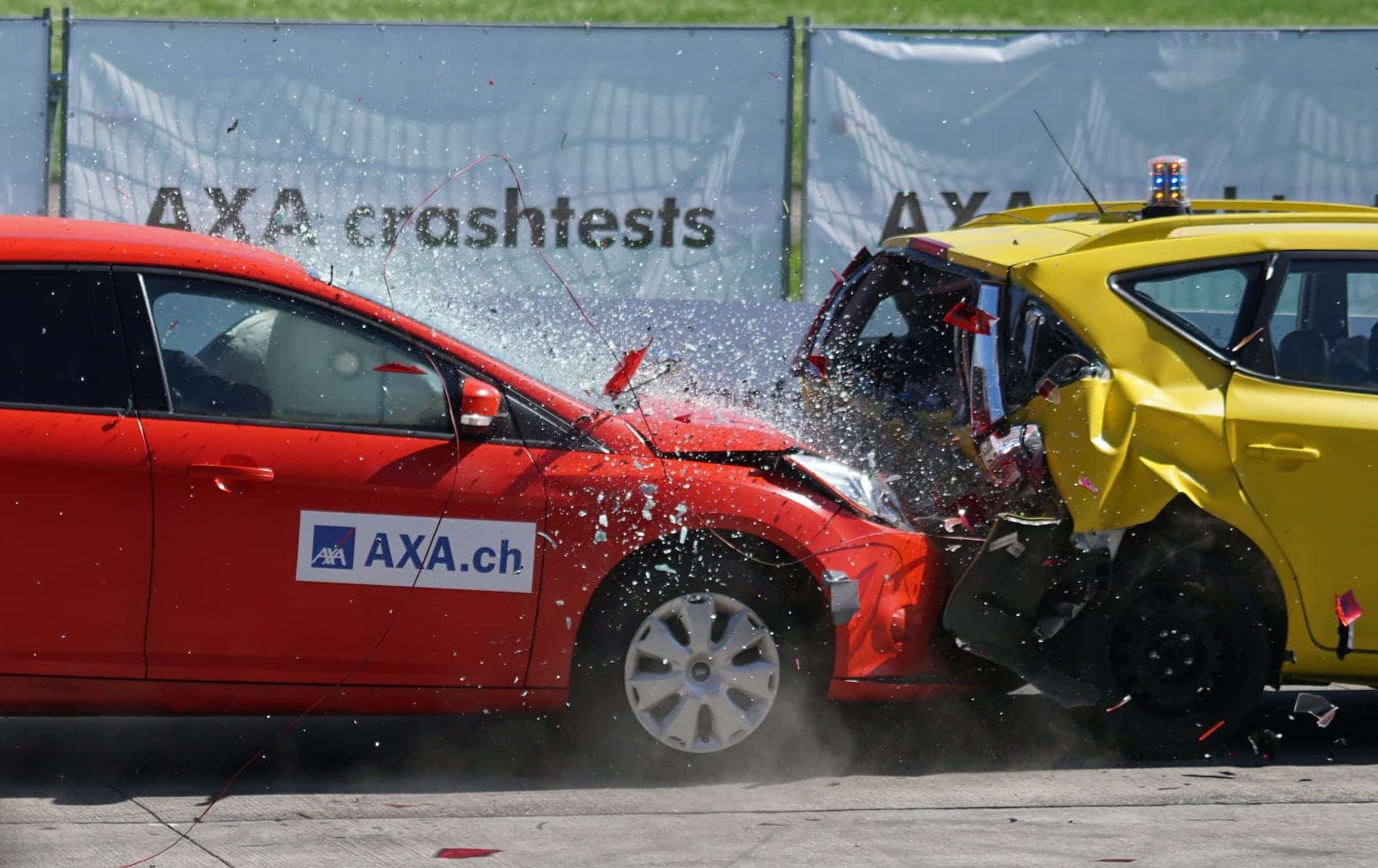
Road accidents are an unfortunate reality of our daily commutes. When they occur, the aftermath can be chaotic, with debris, flammable liquids, and sometimes bodily fluids scattered on the road. Proper cleanup is essential not only for the safety of other road users but also to prevent potential environmental hazards.
Need professional help? Perfect Clean UK provides trauma and crime scene cleaning across Scotland and the North of England.
Understanding who is responsible for the accident cleanup and how it’s done is crucial for those unfamiliar with the process.
Who Handles Road Accident Cleanups?
The responsibility of road traffic accident cleanup often falls on a combination of parties. Local law enforcement and emergency services are usually the first on the scene. They ensure the area is safe and manage traffic flow.
However, public street maintenance companies, tow companies, or specialist commercial cleaning companies like Perfect Clean might handle the actual cleanup. In cases where hazardous materials or trauma cleaning is required, specialised services are essential.
The Road Accident Cleanup Process
Unfortunately, road accidents are common in many parts of the world. When they happen, it’s not just the immediate aftermath that needs attention but also the car accident cleanup process that follows. This cleanup is essential to ensure other road users’ safety and restore normalcy to the affected area.
Here’s a more detailed look at the steps involved in the road accident cleanup process:
Step 1 - Securing The Scene
Before any cleanup can begin, securing the accident scene is imperative. This ensures the safety of the cleanup crew and other road users.
- Traffic Management: Law enforcement or emergency services will typically arrive first. They will set up barriers, cones, or temporary traffic lights to divert traffic from the accident scene. This helps prevent further accidents and allows the cleanup crew to work without interference.
- Safety Precautions: Other safety measures might be implemented depending on the accident’s severity. This can include wearing reflective vests, setting up warning signs, and using flares or lights, mainly if the accident occurred at night or in low visibility conditions.
Step 2 - Removing Debris
Once the scene is secure, the cleanup crew can start their work.
- Collection: All debris, from vehicle parts to shattered glass, is collected. This might require tools like brooms, shovels, and even cranes for larger pieces.
- Disposal: The collected debris is then disposed of appropriately. While some materials can be recycled, others, especially those from older vehicles, might be hazardous and require special disposal methods.
Step 3 - Handling Hazardous Materials
Not all accidents are the same. Some might result in hazardous spills that pose a threat to the environment and public health.
- Identification: The first step is to identify the type of hazardous material. This could be petrol, engine oil, brake fluid, or bodily fluids from injured parties.
- Neutralisation: Specialised cleaning agents and equipment are then used to neutralise these hazards. Absorbent materials, like sand or cat litter, can be used for minor spills, while larger spills might require industrial-grade cleanup solutions.
- Disposal: Once neutralised, these materials are collected and disposed of according to environmental regulations.
Step 4 - Final Inspection
The cleanup process concludes with a thorough inspection.
- Review: The cleanup crew will review the accident scene to ensure no debris or hazards are overlooked.
- Sign-off: Once they are satisfied that the road is safe, the crew will sign off on the cleanup, and the barriers will be removed.
- Reopening: With the road deemed safe, traffic can resume its normal flow.
The Legal Perspective In Scotland
In Scotland, the legal framework surrounding road accidents is governed by both the Road Traffic Act and local Scottish road safety regulations. When an accident occurs, the owners of the vehicles involved might be held liable for the costs associated with the cleanup, especially if their negligence contributed to the accident.
For instance, if a driver is found to have been under the influence or was driving recklessly, they could be held accountable for not only the damages to the vehicles but also the cleanup costs.
Furthermore, Scotland has specific regulations regarding hazardous materials and environmental protection. If an accident results in the spillage of hazardous materials, the party at fault might also face penalties for environmental damage and cleanup costs.
Given the complexities of Scottish law and the potential for significant financial implications, it’s crucial for individuals involved in an accident to consult with legal counsel familiar with Scottish regulations.
Conclusion
Professional road accident cleanup is more than just a service; it’s a necessity for the safety of all road users. Ensuring that accidents are cleaned up promptly and thoroughly can prevent further incidents and ensure our roads remain safe for everyone.
How We Can Help
At Perfect Clean, we understand the importance of prompt and efficient road traffic accident clean-up services. Our team of professionals is trained to handle all aspects of accident clean-up service, from debris removal to handling hazardous materials.
With our expertise and commitment to safety, we ensure that roads are returned to their safe and usable state as quickly as possible. If you require road accident cleanup services in Scotland, contact us today to learn more about how we can assist you.
How to Handle Road Accident Scene Cleaning in 2025: Professional Solutions for Property Managers
Beyond the Police Tape: Professional Road Accident Scene Cleaning
When emergency vehicles leave, our team steps in to restore safety and cleanliness to your property.
The Hidden Challenges After Road Accidents
Picture this: the ambulances have departed, the tow trucks have cleared the vehicles, and the police have removed their tape. But what happens next? For property managers and business owners across the UK, this is when a different kind of challenge begins.
At Perfect Clean Ltd., we’ve seen firsthand how road traffic accidents (RTAs) leave behind more than just memories. The residue of these incidents, from vehicle debris and chemical spills to biological materials, requires specialist attention that goes well beyond regular cleaning services.
The Invisible Dangers Left Behind
Road accidents create several hazards that aren’t always obvious to the untrained eye:
Physical Debris
Shattered glass, twisted metal, broken plastic – these aren’t just eyesores. They pose genuine risks to pedestrians and can damage vehicles long after the initial accident. For businesses, this debris can block entrances, create hazardous conditions for customers, and project an image of neglect that drives potential clients away.
Chemical Hazards
Modern vehicles are essentially mobile chemical containers. Engine oil, coolant, brake fluid, and fuel can all escape during a collision, creating environmental hazards that business owners might be legally responsible for cleaning up. These substances don’t just disappear with rain, they can contaminate soil, enter water systems, and create long-term environmental liabilities.
Biohazards
In accidents involving injuries, blood and other bodily fluids may contaminate surfaces. These materials can harbour dangerous pathogens, including Hepatitis B, Hepatitis C, and HIV. Standard cleaning methods simply aren’t designed to safely remove these biohazards, and attempting to do so without proper training puts your staff at serious risk.
Why You Shouldn’t DIY Road Accident Cleanup
We’ve seen well-intentioned maintenance teams attempt to handle post-accident cleanup, only to create bigger problems. Here’s why this approach is problematic:
Legal vulnerability: UK regulations, including COSHH (Control of Substances Hazardous to Health) and the Environmental Protection Act, create specific legal obligations for handling hazardous materials. Non-compliance can result in significant fines.
Health risks: Without proper personal protective equipment and training, cleaning staff risk exposure to dangerous substances and pathogens.
Environmental damage: Improper disposal of contaminated materials can lead to pollution incidents that trace back to your business.
Inadequate results: Standard cleaning products and techniques simply aren’t effective against many contaminants found at accident scenes.
Our Professional Approach to Accident Scene Cleaning
At Perfect Clean Ltd., we follow a methodical, science-based process to restore accident-affected areas to safe, clean conditions:
1. Rapid Assessment
Our emergency response team arrives quickly to evaluate the scene, identify all hazards, and create a comprehensive cleanup plan tailored to your specific situation.
2. Secure Containment
We immediately establish safety perimeters and containment measures to prevent hazards from spreading further or affecting more people.
3. Specialised Cleanup
Using industrial-grade equipment and hospital-standard disinfectants, our technicians meticulously remove all contamination, visible and invisible.
4. Environmental Protection
We employ specialised techniques for chemical spills, including appropriate absorbents, neutralising agents, and extraction equipment to protect surrounding environments.
5. Compliant Waste Disposal
All materials removed from the scene are properly categorised, packaged, and transported to authorised disposal facilities, with complete documentation provided for your records.
6. Verification and Certification
We don’t just clean, we verify. Our thorough inspection process ensures all hazards have been eliminated, and we provide certification documenting the completed remediation.
Real-World Scenario: The Retail Park Entrance
Last year, we received an urgent call from a property manager responsible for a bustling retail park in Scotland. A lorry had jackknifed near their main entrance, spilling diesel that flowed onto their property.
Within 2 hours, our team had:
- Established safety barriers to protect shoppers
- Deployed specialised absorbents to contain the spill
- Started the recovery process using vacuum equipment
- Applied bio-remediation agents to break down remaining hydrocarbons
Instead of days of disruption and potential liability issues, the retail park was back to normal operations by the following morning. The property manager received comprehensive documentation proving their environmental compliance, which protected them from potential regulatory scrutiny.
FAQ: What Property Managers Need to Know
Who’s responsible for cleaning up when an accident affects my property?
While emergency services handle the immediate incident on public roads, cleanup on private property falls to the property owner or manager. You have legal responsibilities under the Health and Safety at Work Act and potentially the Environmental Protection Act.
Can my regular cleaning staff handle minor accident debris?
For non-hazardous materials, perhaps. But for anything involving chemicals, fuels, or biological materials, specialised training and equipment are legally required. The risks of improper handling are significant, both to your staff and to your legal liability.
How quickly should professional cleaning take place?
The sooner, the better. Prompt professional cleaning minimises exposure risks, prevents contamination spread, reduces environmental impact, and allows faster return to normal operations. Our 24/7 emergency response team is always ready.
Will insurance cover professional cleaning costs?
Many commercial property and liability policies cover these costs, especially if the contamination results from an insured event. We provide detailed documentation to support your insurance claims.
Partnering with Perfect Clean Ltd.
At Perfect Clean Ltd., we bring years of specialised experience in handling the aftermath of road accidents. Our technicians hold advanced certifications in biohazard remediation, chemical spill response, and environmental protection.
We understand these situations are often unexpected and urgent. That’s why we offer:
- Transparent, detailed quotes with no hidden costs
- Emergency response across Scotland and the North UK
- Comprehensive documentation for insurance and regulatory compliance
- Discreet service that protects your reputation and privacy
Be Prepared Before Incidents Occur
The best time to find a professional cleaning partner is before you need one. We recommend:
- Adding our emergency contact number (0800 0431 744) to your incident response plan
- Scheduling a preventative consultation to identify potential hazard areas
- Training your staff on proper initial response procedures
- Reviewing your insurance coverage for post-accident remediation
Contact Perfect Clean Ltd. Today
Don’t wait until an accident happens to think about proper cleanup. Contact our specialist team today to discuss how we can support your emergency response planning or address any current contamination concerns.
Call us at 0800 0431 744 or email us to learn more about our road accident scene cleaning services.
Perfect Clean Ltd. is fully licensed by the Environment Agency as a waste carrier and is a member of leading industry associations. All our technicians are fully verified, insured, and trained to the highest standards in biohazard remediation.