
Is It Necessary to Disinfect Homes After Death?
When a home needs professional cleaning and disinfection after a death, what the risks are and what specialist after-death cleaning involves.
By Rafal Piskorski, Health and Safety Manager · Updated · Unattended Death Cleaning
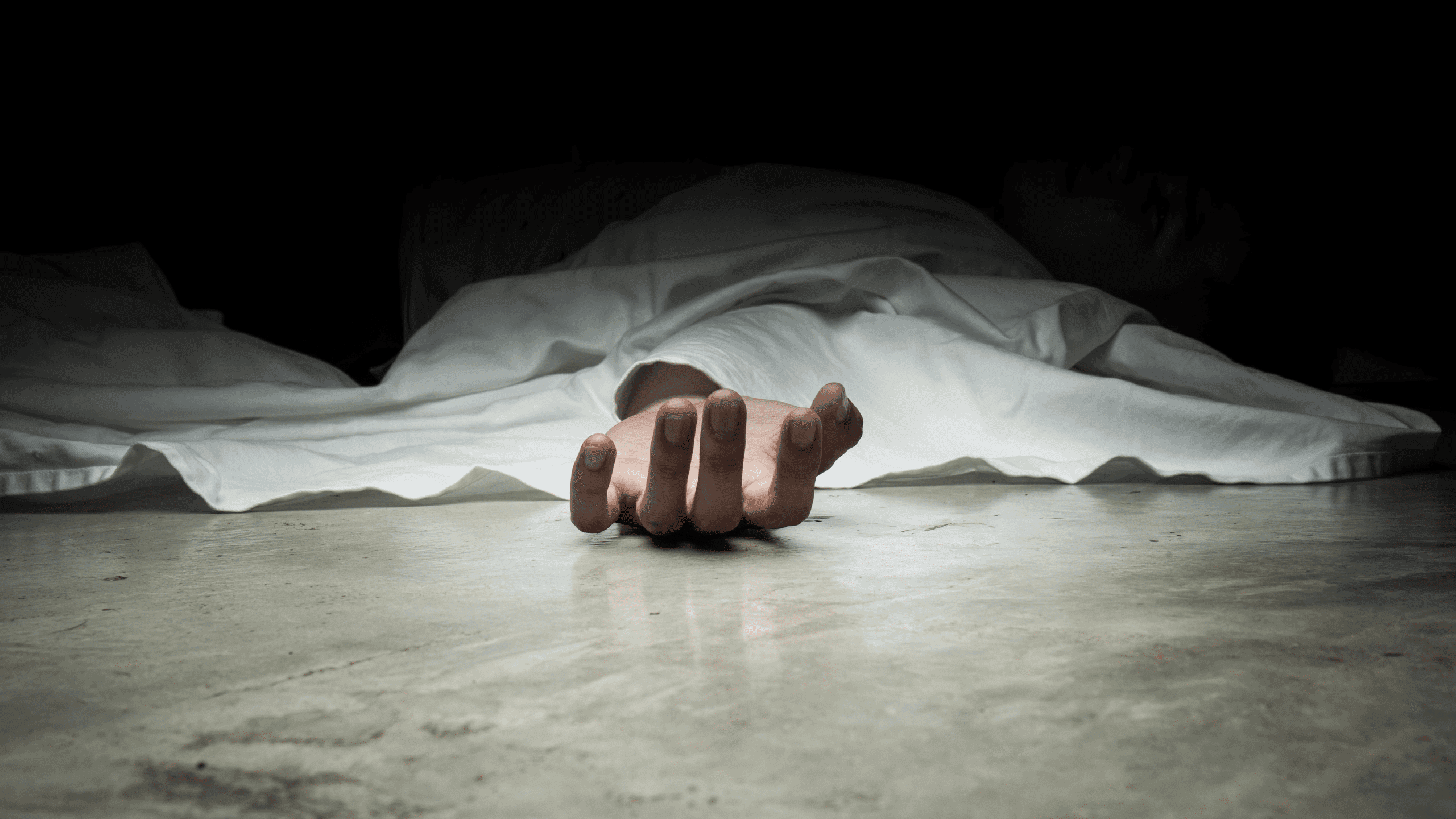
Is It Necessary to Disinfect Homes After a Death?
Understanding the Emotional Impact of Death at Home
The emotional impact of experiencing a death at home can have a profound and lasting effect. Family members and close friends often contend with a mix of intense feelings, from grief and sadness to anger and confusion. These emotions can be amplified by the physical space in which the death occurred. The home, usually a place of comfort and routine, may become a stark reminder of loss and change.
Common Emotional Reactions
- Grief and Sadness: Individuals may experience deep sorrow and a sense of emptiness.
- Anger and Frustration: Feelings of helplessness can manifest as anger, whether directed at oneself, others, or the situation.
- Numbness and Shock: Processing the death can be overwhelming, leading to a period of numbness or disbelief.
- Guilt and Regret: Reflecting on past actions and words can result in feelings of guilt or regret, even if not justified.
Psychological Effects
The psychological aftermath of a death at home can extend beyond immediate emotions.
- Post-Traumatic Stress: Witnessing or discovering a loved one’s death can lead to symptoms akin to PTSD, including flashbacks and heightened anxiety.
- Depression: Prolonged grief can evolve into depression, characterised by persistent sadness, loss of interest in activities, and fatigue.
- Anxiety: Individuals may develop anxieties related to staying in or visiting the home, disrupting their daily lives.
Coping Mechanisms
Effective coping strategies can help manage the emotional impact:
- Therapy and Counselling: Professional help can provide a safe space to process emotions and develop coping strategies.
- Support Groups: Connecting with others who have experienced similar losses can offer comfort and understanding.
- Memorial Rituals: Engaging in rituals or creating memorials can help individuals honour the deceased and find closure.
- Physical Self-Care: Maintaining physical health through proper diet, exercise, and sleep is crucial for emotional well-being.
Impact on Shared Living Spaces
The presence of death in a home affects not just the emotional but also the physical environment. Family members might struggle with:
- Reclaiming the Space: Bedrooms or living areas where death occurred may be avoided or associated with negative emotions.
- Creating New Memories: Balancing between preserving memories of the deceased and creating new, positive experiences in the home.
Understanding these emotional impacts is crucial in addressing the practical and emotional needs that arise following a death at home. Effective emotional support and practical steps can help mitigate long-term psychological effects.
Legal and Health Regulations Regarding Deceased Individuals
Legal and health regulations surrounding the handling of deceased individuals are stringent to ensure the safety and well-being of the public. These stipulations vary by region and jurisdiction but often include several core requirements and guidelines.
Legal Requirements
- Death Registration:
Local authorities require official documentation of the death, typically involving a death certificate issued by a medical professional. - Body Handling and Transport:
There are specific protocols for transporting and handling deceased bodies, including the use of certified personnel and approved vehicles. - Permits:
Moving a body across state or provincial lines often necessitates special permits and adherence to cross-jurisdictional legal standards.
Health and Safety Regulations
Health departments mandate procedures to minimise potential health risks associated with deceased persons. These include guidelines on decomposition, biohazards, and contamination prevention.
- Decomposition Concerns:
Bodies begin to decompose shortly after death, producing odours and biological fluids that can pose health risks if not managed appropriately. - Biohazard Risk:
Deceased bodies might carry contagious pathogens like bacteria and viruses. This necessitates proper disinfection procedures to eliminate potential health hazards. - Personal Protective Equipment (PPE):
Individuals handling deceased persons are often required to wear PPE, such as gloves, masks, and gowns, to prevent direct exposure to harmful substances.
Cleaning and Disinfection Protocols
Authorities often provide guidelines on cleaning and disinfecting areas where a deceased person has been present. This ensures that spaces are safe for future inhabitants and helps prevent the spread of illness.
- Use of EPA-approved Disinfectants:
Utilising products that meet Environmental Protection Agency standards for killing bacteria and viruses is recommended. - Professional Services:
Employing certified biohazard cleaning professionals might be necessary for extensive contamination or when dealing with infectious diseases.
Compliance and Enforcement
Failure to comply with these regulations can result in penalties, fines, or legal action. Health departments and legal authorities frequently conduct inspections to ensure adherence to the outlined standards.
It is paramount for all personnel involved in the management of deceased individuals to remain informed about current legal and health guidelines. This vigilance supports not only individual safety but also public health.
Why is Disinfection Necessary After a Death?
Disinfection is critical after death for several reasons which involve health, safety, and emotional well-being. Several factors necessitate the thorough and professional disinfection of a premises post-mortem:
- Biohazard Risks: Death, particularly unattended death, can lead to the accumulation of biohazardous materials such as blood, bodily fluids, and tissue. These substances may harbour pathogens, including bacteria and viruses that pose significant health risks. Exposure to these pathogens can lead to infections and diseases such as Hepatitis B, Hepatitis C, and HIV.
- Odour Mitigation: Decomposition begins almost immediately after death. As a body decomposes, it releases gases and compounds that result in strong, offensive odours. These odours can permeate furnishings, carpets, walls, and ceilings, making them challenging to eliminate without proper cleaning and disinfection methods.
- Psychological Relief: The aftermath of a death can be traumatising for family members and friends. Thoroughly cleaning and disinfecting the residence can provide psychological relief and a sense of closure. This step helps prevent any lingering reminders of the traumatic event, thereby aiding the grieving process.
- Regulatory Compliance: In certain jurisdictions, there may be legal or regulatory requirements mandating the disinfection of homes where death has occurred, especially in cases involving crime scenes or infectious disease. Compliance with these regulations ensures that the premises meet public health standards to prevent further issues.
- Preventing Cross-Contamination: Personal belongings, furniture, and fixtures within a home can become contaminated during the time of death. Effective disinfection prevents the risk of cross-contamination to other areas of the home or to individuals entering the premises, thereby maintaining a safe and clean environment.
- Property Value and Restoration: Disinfecting a residence after a death ensures that the property is restored to a habitable condition. This is crucial for maintaining or restoring property value, especially if the home will be sold or rented out in the future.
Thorough disinfection following a death addresses these critical concerns, ensuring the environment is safe, sanitised, and respectful to those affected.
Types of Contaminants Present After a Death
A variety of contaminants can accumulate in a residence following a death, necessitating professional cleaning and disinfection. These contaminants comprise a broad range of biological and chemical hazards that can pose significant health risks. The primary types include:
Biological Fluids and Tissues
- Blood: One of the most common contaminants, containing pathogens that can spread diseases such as HIV, hepatitis B, and hepatitis C.
- Urine and Faeces: These bodily fluids can harbour bacteria like E. coli and other pathogens, posing severe health risks if not correctly removed.
- Tissue and Decomposition Fluids: As a body decomposes, it releases various fluids and tissue particles that can permeate carpets, flooring, and other surfaces.
Microbial Contaminants
- Bacteria: Various bacteria thrive in the biological materials present, potentially causing infections or other health concerns when individuals come into contact with them.
- Viruses: Viral particles can remain active in biological fluids and on surfaces, leading to the spread of illness.
- Fungi and Mould: Decomposing biological matter can foster mould growth, including toxic black mould, which may lead to respiratory issues and other health problems.
Chemical Contaminants
- Cleaning Agents: In attempts to clean up after a death, improper use of household cleaning agents can result in harmful chemical residues.
- Personal Care Products: Items like lotions, shampoos, and other health and beauty products can spill or permeate surfaces, sometimes reacting chemically in ways that require expert handling.
Odours
- Decomposition Odours: The breakdown of biological matter creates potent, sometimes overwhelming odours that not only signify the presence of contaminants but can also permeate and linger in the home environment.
- Chemical Odours: From both the decedent’s personal materials and any improper initial clean-up attempts, chemical odours can require specialised treatment to remove.
Pest Infestations
- Insects: The presence of a decomposing body can attract insects like flies, which can further spread contaminants.
- Rodents: Rodents might be attracted to the site, bringing additional diseases and complicating the cleanliness of the area.
Airborne Particles
- Organic Aerosols: Tiny particles released during decomposition can become airborne, posing inhalation risks.
- Mould Spores: As mould grows, it releases spores into the air, which can trigger allergic reactions and respiratory issues.
Professional cleaning services are essential for addressing these various contaminants effectively, ensuring the safety and sanitation of the home.
Common Methods for Disinfecting a Home
Effective home disinfection requires the correct application of methods and products designed to eliminate harmful pathogens. Here are some commonly recommended methods:
Surface Cleaning with Disinfectants:
- Use EPA-approved disinfectants for cleaning surfaces.
- High-touch areas such as doorknobs, light switches, and countertops need frequent disinfection.
- Follow manufacturer instructions regarding dilution ratios and contact time.
Disinfectant Wipes:
- Suitable for quick cleaning of small surfaces.
- Ensure the surface stays wet for the required contact time.
- Dispose of used wipes immediately and avoid reusing them.
Steam Cleaning:
- Effective on upholstery and carpets.
- High heat kills a broad range of pathogens.
- Use in combination with an appropriate cleaning agent for best results.
UV-C Light Technology:
- UV-C light can disinfect surfaces and air.
- Devices should be used in compliance with safety guidelines to prevent skin and eye damage.
- Effective when used in conjunction with other cleaning methods.
Fogging and Misting Systems:
- Suitable for large areas or hard-to-reach spaces.
- Involves dispersing a disinfectant in fine mist, covering all surfaces.
- Ensure proper ventilation and wait times before re-entering the treated area.
Air Purifiers with HEPA Filters:
- Remove airborne particles, including viruses and bacteria.
- Regularly replace filters according to manufacturer recommendations.
- Combine with regular surface disinfection for comprehensive results.
Electrostatic Spraying Systems:
- Charges disinfectant particles to adhere evenly to surfaces.
- Allows for more efficient coverage.
- Ideal for large homes or spaces with complex geometries.
Sanitising Foggers:
- Create a small cloud of disinfectant for comprehensive coverage.
- Non-toxic, suitable for everyday household use.
- Follow the manufacturer’s guidelines for optimal results.
Hydrogen Peroxide Vapour:
- Effective against a wide range of pathogens.
- Requires specialised equipment for safe dispensing.
- Commonly used in healthcare settings, can be adapted for home use by professionals.
Regular Hand Hygiene:
- Wash hands with soap and water for at least 20 seconds after cleaning.
- Use hand sanitiser with at least 60% alcohol if soap is unavailable.
- Encourages overall hygiene and reduces the spread of contaminants.
Implementing these methods correctly ensures a more sanitary environment, crucially important in situations requiring heightened hygiene standards.
Professional Cleaning Services vs DIY Disinfection
Expertise and Knowledge
Professional cleaning services often employ highly trained technicians proficient in handling biohazardous situations. They possess in-depth knowledge about various pathogens, including bacteria, viruses, and fungi. Their expertise allows them to apply the most effective disinfection methods suitable for different surfaces and materials.
Equipment and Supplies
Professionals use state-of-the-art equipment and specialised cleaning agents not commonly available to the general public. High-efficiency particulate air (HEPA) vacuums, industrial-grade disinfectants, and personal protective equipment (PPE) are standard tools in their arsenal. Such equipment ensures thorough decontamination, reducing the risk of infection and contamination.
Regulations and Compliance
Licensed cleaning companies adhere to stringent regulations and guidelines set by health authorities and government bodies. They follow protocols that ensure compliance with safety and environmental standards, safeguarding both the occupants and the cleaning personnel. This compliance minimises legal liabilities and ensures that public health guidelines are met.
Time and Efficiency
Professional teams typically complete the disinfection process in significantly less time compared to DIY efforts. Their systematic approach, combined with specialised tools and knowledge, ensures efficient and thorough cleaning. Quick turnaround is particularly beneficial in preventing the spread of contaminants in multi-unit dwellings or public spaces.
Emotional and Psychological Relief
Cleaning up after a death can be emotionally taxing for family members and loved ones. Professionals can take on this burden, allowing the bereaved to focus on their emotional healing. The presence of skilled experts enables families to deal with their grief without the added stress of a disinfection task.
DIY Challenges
DIY disinfection often lacks the thoroughness and efficacy of professional cleaning services. Inadequate knowledge about proper cleaning agents, methods, and safety measures can result in incomplete decontamination. Moreover, the emotional strain connected with the task can further compromise the effectiveness of the cleaning efforts.
Cost Considerations
While professional services may appear more costly upfront, the benefits outweigh the expenses in the long run. DIY cleaning might save money initially but can lead to hidden costs due to inadequate disinfection, potential health risks, and possible property damage. Professional cleaning ensures a safe and healthy environment, making it a valuable investment.
How Long Does the Disinfection Process Take?
The time required for disinfection varies widely based on several critical factors. These include the size of the area, the extent of contamination, the type of disinfection techniques employed, and the availability of specialised equipment. Larger areas naturally demand more time for thorough cleaning and disinfection compared to smaller spaces.
Factors influencing disinfection duration include:
- Size of the area: Larger homes or buildings necessitate more time and resources to clean each room and ensure hygienic conditions throughout the property.
- Extent of contamination: Homes with significant contamination from biological materials may require more intensive cleaning, increasing the time needed.
- Disinfection techniques: Utilising specialised disinfection methods, such as fogging or electrostatic spraying, can either expedite or prolong the process depending on the technology used.
- Specialised equipment: The use of high-efficiency equipment and advanced cleaning products can impact the overall duration. Equipment that enables faster and more effective cleaning may reduce the time required.
Generally, a professional disinfection service may take several hours to a few days to complete. A typical disinfection process comprises:
- Assessment: Evaluating the property to determine the necessary level of disinfection.
- Preparation: Removing biohazardous materials and preparing the area for cleaning.
- Cleaning: Thorough cleaning of surfaces to remove visible debris and organic matter.
- Disinfection: Application of disinfectants to eliminate pathogens.
- Inspection: Final inspection to ensure all areas are disinfected adequately.
Professional disinfection services aim to minimise disruption while ensuring comprehensive sanitation. Therefore, while timeframes may vary, service providers strive for efficiency and thoroughness. Coordination with property owners to establish a schedule is crucial to balance effective disinfection with practical considerations. Regular updates during the process can help manage expectations and ensure satisfactory completion within the estimated timeframe.
Maintaining Emotional Health During the Cleaning Process
Handling the aftermath of a death, particularly in one’s home, poses significant emotional challenges. The cleaning and disinfection process can serve as a poignant reminder of loss and evoke strong emotional responses. It is crucial to address one’s emotional health during this period.
Seeking Professional Help
- Therapists and Counsellors: Engaging with mental health professionals can provide emotional support and coping strategies.
- Support Groups: Connecting with others who have experienced similar losses can offer comfort and understanding.
Creating a Support System
- Friends and Family: Lean on close friends and family members for emotional and practical support during the cleaning process.
- Religious or Spiritual Advisors: Guidance from spiritual leaders can offer solace and emotional balance.
Time Management and Breaks
Scheduling and allowing sufficient time for breaks is essential. Overworking can lead to burnout, exacerbating emotional distress. Establish a timeline that includes regular intervals for rest and self-care.
Professional Cleaning Services
Hiring professional cleaning services, such as those provided by Perfect Clean Ltd, can alleviate the burden. Our team of experts is trained to handle biohazardous materials safely and can mitigate any traumatic impact associated with personal involvement in the cleaning process. With years of experience in the industry, Perfect Clean Ltd ensures that every task is handled with the utmost care and professionalism, providing peace of mind during challenging times.
Recognising Grief Stages
Understanding the stages of grief—denial, anger, bargaining, depression, and acceptance—can help individuals normalise their feelings. Recognising that grief is a process with varying durations and manifestations allows individuals to be more compassionate towards themselves.
Maintaining emotional health during the cleaning process is an integral aspect that should not be overlooked. Implementing these strategies can significantly mitigate the emotional toll associated with the aftermath of a death in the home.
Preventive Measures for Avoiding Future Health Risks
Implementing targeted preventive measures is crucial to minimise potential health risks following the death of an individual in a home. These steps ensure a safer environment for current and future occupants.
Immediate Clean-Up
- Initiate thorough cleaning of the area where the death occurred as soon as possible.
- Remove and dispose of any contaminated materials, such as bedding or carpeting.
- Use EPA-approved disinfectants to sanitise surfaces.
Professional Biohazard Cleaning Services
- Engage certified biohazard cleaning professionals to handle areas exposed to bodily fluids.
- Verify that the chosen service complies with local health and safety regulations.
Ventilation
- Ensure proper ventilation by opening windows and using air purifiers.
- Replace contaminated air filters in HVAC systems to prevent the circulation of pathogens.
Personal Protective Equipment (PPE)
- Use appropriate PPE such as gloves, masks, and gowns during the cleaning process.
- Dispose of PPE following recommended hazardous waste protocols.
Sanitisation of Personal Belongings
- Clean and disinfect personal belongings of the deceased.
- Consider using professional services for items that are difficult to clean, such as electronics.
Regular Health Monitoring
- Encourage regular health check-ups for those who were in close contact with the deceased.
- Watch for symptoms of illness and seek medical advice promptly if concerns arise.
Education and Awareness
- Inform household members about the risks associated with exposure to biohazards.
- Offer training on proper cleaning techniques and the use of disinfectants.
Documentation and Records
- Maintain detailed records of all cleaning and disinfecting activities.
- Document the methods and materials used for possible future reference.
Employing these preventive measures can significantly reduce health risks, creating a safer living environment for all.
How Timely Cleanup Restores Safety After an Unattended Death
Rapid Response Matters: The Importance of Timely Unattended Death Cleanup
An unattended death is a situation few property owners, landlords, or families ever expect to face. Yet with ageing populations, urban isolation, and shifting patterns of living, unattended deaths are an increasing reality in residential blocks, rental properties, and commercial premises across the UK. The practical and emotional burden left in their wake goes far beyond the initial loss. This article explores why rapid, professional intervention is absolutely vital after an unattended death, and what the comprehensive cleanup process entails to protect health, dignity, and property value.
What Is an Unattended Death?
An unattended death occurs when a person passes away, and their body is not discovered for days, weeks, or even longer. This may result from elderly or vulnerable individuals living alone, accidental deaths, suicides, or homicides. In many cases, the deceased is only found after neighbours notice unusual smells, mail piles up, or rent remains unpaid.
Unlike deaths in hospitals or under medical care, unattended deaths often leave a profoundly distressing scene. Decomposition can progress rapidly, especially in warmer seasons, leading to biohazard risks and severe environmental contamination.
The Science of Decomposition: Why Timing Matters
Immediately following death, the human body undergoes complex biochemical changes. The process of decomposition is influenced by:
Ambient temperature and humidity
Type of property (ventilation, geography)
Time elapsed before discovery
What Happens After Death?
Autolysis: Cells break down from within, releasing enzymes and bodily fluids.
Putrefaction: Bacteria multiply, producing gases that cause bloating and odour.
Active Decay: Fluids seep into materials, attracting insects and further bacteria.
Advanced Decay: Odours intensify, biohazard risk increases, and maggots may appear.
Within 24–72 hours, especially in warm months, the environment can become hazardous even in a sealed flat or room.
Unattended Deaths: Immediate Risks and Health Hazards
Biohazard Exposure
Bodily fluids, blood, and tissues left after an unattended death can harbour dangerous pathogens, including:
HIV, Hepatitis B and C
Clostridium difficile
Norovirus or other gastrointestinal bacteria
Direct contact, inhalation of aerosolised particles, or accidental skin exposure can pose serious health risks for anyone entering the property without proper protection.
Odours and Air Quality
Decomposition generates volatile organic compounds that cause foul, lingering odours. These odours are not only unpleasant; they can exacerbate breathing difficulties for vulnerable people and signal deeper contamination.
Insect Infestation
Decomposition attracts blowflies and other insects very quickly. Female flies may lay eggs within hours, resulting in maggot infestations. These insects can spread bacteria throughout the property, contaminating surfaces and air systems.
Structural & Environmental Damage
Bodily fluids seep into subfloors, walls, upholstery, and personal belongings. Over time, this causes:
Permanent staining
Odour absorption
Breakdown of structural materials
Severe cases may require stripping interiors back to brickwork, incurring extreme costs.
The Emotional Impact and Legal Responsibility
Beyond physical risks, unattended death scenes are emotionally traumatic for families, landlords, and even neighbours. The discovery and sight can have lasting psychological effects. Appropriate, compassionate handling is not only an ethical choice, it is a legal and regulatory requirement for property owners:
Health and Safety at Work etc. Act 1974: Employers and landlords must safeguard occupants.
Environmental Protection Act 1990: Properties must not pose a statutory nuisance.
Waste Regulations: Biohazardous waste must be handled by licensed professionals.
Why DIY Cleanup Is Dangerous
Untrained individuals may be tempted to clean after an unattended death for cost or speed reasons. However, this approach is fraught with risks:
Inadequate PPE: Home masks and gloves do not provide true protection.
Improper disinfection: Household bleach does not neutralise all pathogens.
Cross-contamination: Without correct protocols, biohazards spread rapidly.
Legal exposure: Improper waste disposal can result in prosecution and fines.
Emotional trauma: The sight and smell often cause lasting stress, shock, and guilt.
Professional trauma cleaning teams use industry-grade PPE, clinical disinfectants, containment systems, and specialist equipment to perform a safe, thorough job protecting not only your property but everyone who enters it.
The Unattended Death Cleanup Process: Step by Step
1. Risk Assessment
Upon arrival, professionals conduct a site survey. They assess:
Degree of decomposition
Biohazard spread (fluids, insects, odour)
Structural impact (floors, walls, soft goods)
This plan tailors cleanup, safety, and waste protocols to the unique situation.
2. Safety and Containment
Sealing up the affected area to prevent further spread of contaminants.
Installing negative air machines to protect air quality.
Equipping all personnel with hospital-grade PPE: FFP3 masks, Tyvek suits, cut-resistant gloves, and eye/face shields.
3. Removal of Biohazards
All visible biological materials like fluids, tissue residue, and contaminated debris are removed using absorbents, biocidal agents, and safe extraction methods. Porous items often must be disposed of as clinical waste.
4. Deep Cleaning and Disinfection
Every affected surface, from floor to ceiling, is deep-cleaned. Heavy-duty, NHS-approved disinfectants and enzyme cleaners are used to break down organic matter and kill bacteria or viruses.
5. Odour Neutralisation and Air Scrubbing
Air scrubbers with HEPA filters and activated charcoal remove contaminants and odours from the air.
Ozone or hydroxyl generators may be deployed for stubborn odour removal.
Multiple odour treatments are often necessary.
6. Waste Disposal
All biohazard waste is double-bagged and transported by licensed carriers for incineration or special disposal.
Detailed records ensure regulatory compliance.
7. Verification and Certification
Post-remediation, the team conducts:
Air and surface sampling/testing
Visual inspection
Full documentation of cleaning and disposal for your insurance or regulatory purposes
A certificate of cleanliness can be provided, which is often required by councils, insurers, and property agents.
Timely Intervention: Benefits Beyond Health
Acting promptly after an unattended death offers wide-ranging benefits:
Limits contamination: Fluids, odours, and insects spread exponentially over time.
Saves property: Prompt cleaning prevents irreversible staining and structural damage, reducing the need for costly rebuilding.
Facilitates insurance claims: Insurers are far more willing to comply if a licensed, professional firm is used, with documented evidence.
Restores property value: Rapid, thorough remediation allows homes, flats, and commercial premises to be re-let, sold, or reoccupied much faster.
Provides closure: Families are spared prolonged distress and can move forward sooner.
Delays, on the other hand, multiply costs and trauma for everyone involved.
Real-Life Example: The Risks of Waiting
Consider a landlord in Glasgow whose elderly tenant, living alone, sadly passed away in June. The flat was not discovered for 12 days. By the time building management was alerted, decomposition had fully set in:
Severe odours had penetrated adjoining properties, resulting in neighbour complaints and council involvement.
Maggot infestation had spread into communal corridors and air vents.
Floorboards, carpets, and underlying insulation were saturated and had to be stripped back to the joists.
Damp, contaminated air triggered respiratory symptoms in unrelated occupants.
In the end, clean-up and refurbishment costs exceeded £10,000, several times what a prompt, professional response would have cost. The flat remained vacant for months due to odour lingers and legal wrangling.
Insurance and Legal Considerations
Will Insurance Pay for Unattended Death Cleanup?
Many UK home and landlord policies include “trauma cleaning,” “emergency decontamination,” or “biohazard remediation.” However, insurers usually require:
Use of licensed, professional cleaning services
Full documentation and certificates of remediation
Prompt reporting and compliance with legal duties
Delays or DIY attempts may limit or void cover. Always check your policy language and contact your insurer immediately after discovery.
Landlord, Letting Agent, and Freeholder Responsibilities
UK law makes it clear:
Landlords/freeholders must ensure properties are safe and habitable. Failure to act can result in enforcement action or legal claims from neighbours or new tenants.
Letting agents are obliged to inform owners and coordinate urgent response.
Tenants should report suspected deaths or odours without delay—timely reporting may protect deposit and rights.
Preventing and Preparing for Unattended Deaths
While not all tragedies can be averted, property managers and families can reduce risk by:
Scheduling regular welfare checks, especially for vulnerable individuals.
Installing telecare and emergency call systems in supported and sheltered housing.
Educating tenants to report abnormal smells immediately.
Keeping up-to-date contact information for local trauma cleaning professionals.
Proactive readiness enables faster response if the worst occurs.
Choosing the Right Unattended Death Cleanup Service
When selecting a professional service:
Check certification and insurance. Reputable firms are licensed to dispose of clinical waste, covered for biohazard work, and staff receive both clinical and trauma training.
Inquire about rapid response times. Same-day or 24-hour availability is a must, especially in warm months.
Seek discreet, compassionate handling. The best services work privately, with respect for families and property, and communicate clearly throughout.
Perfect Clean Ltd offers professional unattended death cleanup across Scotland and the UK, combining expertise, sensitivity, and full regulatory compliance.
Conclusion
An unattended death is a devastating and complex event. Beyond the biochemical and environmental dangers, it creates deep emotional and social impact for families, communities, and property stakeholders. Immediate, professional intervention is crucial for health, legal compliance, and peace of mind.
The science is clear: decomposition starts immediately and accelerates rapidly. Delaying cleanup only increases risks, damages properties, and deepens distress. Using unqualified or unlicensed cleaners not only exposes all to trauma, it carries grave legal and health consequences.
By recognising these realities, and preparing with awareness and resources, you ensure that, in the face of the unexpected, action will be fast, safe, and respectful. In every case, the right response protects lives, livelihoods, and legacies.
When Can Cleanup Begin After a Coroner’s Release in 2026?
When Can Cleanup Begin After a Coroner's Release in 2026?
When someone dies in situations that need an official investigation, like a death where no one was there, a sudden or unexplained death, or when the cause is unknown, the property cannot just be cleaned and used again. Before any cleaning or repair work can start, the proper authority must officially release the scene. In England and Wales, this is the coroner, and in Scotland, it is the Procurator Fiscal.
The Role of the Procurator Fiscal in Scotland
Scotland has a clear legal system, and deaths that are sudden, suspicious, accidental, or unexplained are reported not to a coroner but to the Procurator Fiscal (PF). The PF is a public prosecutor who investigates certain categories of death.
The PF works alongside Police Scotland to determine whether a death is criminal in nature, whether a Fatal Accident Inquiry (FAI) is required, or whether the death can be concluded with a certificate. In complex cases, the PF’s investigation can take weeks or months before a scene is formally released.
The practical consequences for property owners are the same as with a coroner: nothing may be disturbed until the PF formally releases the scene.
What Happens During Scene Investigation?
Whether managed by a coroner, the Procurator Fiscal, or police working under their direction, the investigation follows a structured sequence.
- Initial attendance and scene preservation. When a death is reported, police attend immediately to preserve the scene. Entry is restricted, access logs may be kept. The body will not be removed until the coroner or PF has authorised this.
- Forensic examination. In all suspicious deaths and many unexplained ones, forensic specialists examine the scene for evidence. They document biological material, take photographs, gather samples, and may remove items as exhibits. This process can take hours or, in serious cases, even several days.
- Autopsy examination. The coroner or PF may order an autopsy to establish the cause of death. Results of this examination influence what happens to the scene. For instance, when criminal activity is identified, the scene may remain under restrictions for much longer.
- Scene release. Once the investigation is complete and the coroner or PF is satisfied that no further evidence is needed from the property, they formally release it. In practice, this release is often communicated verbally by the attending police officers rather than as a formal written document, though written confirmation can be requested and is advisable.
What Happens During Scene Investigation?
There is no single fixed timeframe. Release depends on the complexity of the death, autopsy results, and whether any criminal investigation is ongoing. As a general guide:
- Natural or clearly explained deaths discovered quickly: Release may occur within hours, sometimes the same day the body is removed.
- Unexplained deaths with no suspicious indicators: Typically released within 24–72 hours, once a cause of death is confirmed.
- Suspicious deaths under active police investigation: May be held for days to weeks, and occasionally much longer if criminal charges follow.
- Deaths where a fatal accident happened: The Procurator Fiscal may need to retain access until proceedings are settled.
Property owners should never assume a property has been released simply because the body has been removed. Removal of the deceased is a separate step from scene release. Until formal confirmation is received, any interference with the scene is potentially unlawful.
Who Is Responsible for Cleanup?
One of the most persistent misconceptions is that the police, coroner’s office, or local authority will arrange and pay for the cleanup. The truth is that they will not be able to.
In the UK, responsibility for making a property safe after a death rests entirely with the property owner, whether that is a private homeowner, a private landlord, a housing association, or a property manager. Emergency services attend just to investigate and remove the deceased, and they do not clean, decontaminate, or restore the property. They are under no legal obligation to do so.
The Moment of Release: What Property Owners Should Do First
When the coroner or Procurator Fiscal releases a property, do not delay. Follow the next steps immediately and in the right order.
- Obtain written confirmation of release.Ask the attending police officers for written or email confirmation that the scene has been released and that you are free toproceed with remediation. This protects you if any questions arise later and is often required by insurers.
- Do not enter the property alone.The scene willcontain biohazardous material. Without appropriate personal protective equipment, such as full-body suits, respiratory protection, and clinical-grade gloves, entering poses a genuine health risk
- 3. Contact your insurerimmediately.Most insurance policies include cover for trauma or biohazard cleanup. However, insurers typically require quick notification, use of licensed professionals, and documented evidence of the work.
- Contact a specialist trauma and biohazard cleaning company.This is not a task for ageneral cleaning contractor. Standard cleaning products and equipment cannot neutralise bloodborne pathogens. This work requires trained professionals operating under COSHH regulations, using clinical-grade disinfectants, specialist PPE, and licensed waste disposal. A specialist biohazard cleaning company like Perfect Clean UK can provide the documentation and certificates of decontamination.
What Professional Cleanup After a Coroner Release Involves
Once a property has been formally released and a specialist company like Perfect Clean UK has been instructed, the remediation process follows the next sequence.
- Site assessment and risk survey. Professionals measure the degree of contamination (visible and hidden), including fluid penetration into materials, insect activity, air quality, and structural impact. This determines the scope of work, equipment needs, and waste disposal requirements.
- PPE deployment and site containment. The affected area is sealed using negative air pressure systems, where necessary, to prevent cross-contamination of unaffected parts of the property. All personnel wear full-body Tyvek suits, FFP3 respirators, face shields, and multi-layer gloves.
- Removal of contaminated materials. Biological material is removed using absorbents and biocidal agents. Porous materials that cannot be adequately decontaminated, such as carpets, upholstered furniture, and saturated floorboards, are removed as clinical waste.
- Deep cleaning and odour neutralisation. Every affected surface, from floor to ceiling, is treated with NHS-approved, pathogen-specific disinfectants. Correct dwell times are observed. This is not a rapid process. Multiple treatment rounds are often necessary for heavily contaminated areas.
- Waste disposal with documentation. All clinical waste is double-bagged, transported by licensed carriers, and disposed of at licensed facilities.
- Verification and certification. Post-remediation, surface testing, and visual inspection confirm decontamination. A certificate of cleanliness is a document that insurers, councils, and property agents increasingly require before a property can be re-let, sold, or reoccupied.
To discuss your situation, please contact Perfect Clean UK at 0800 0431 744 or via form.