
Commercial Lease Clauses and Biohazard Responsibility: What Tenants and Landlords Should Know
When a bio-hazard incident happens in a commercial unit, such as a workplace injury, an unattended death above a shop, or contamination in a shared loading bay, the first question is usually, “who’s dealing with bio-hazard in commercial premises?” The next question is, “who’s paying for it?” The…
By Lukasz Poplawski, Head of Marketing and Innovation Strategy · · Biohazard Cleaning & Decontamination
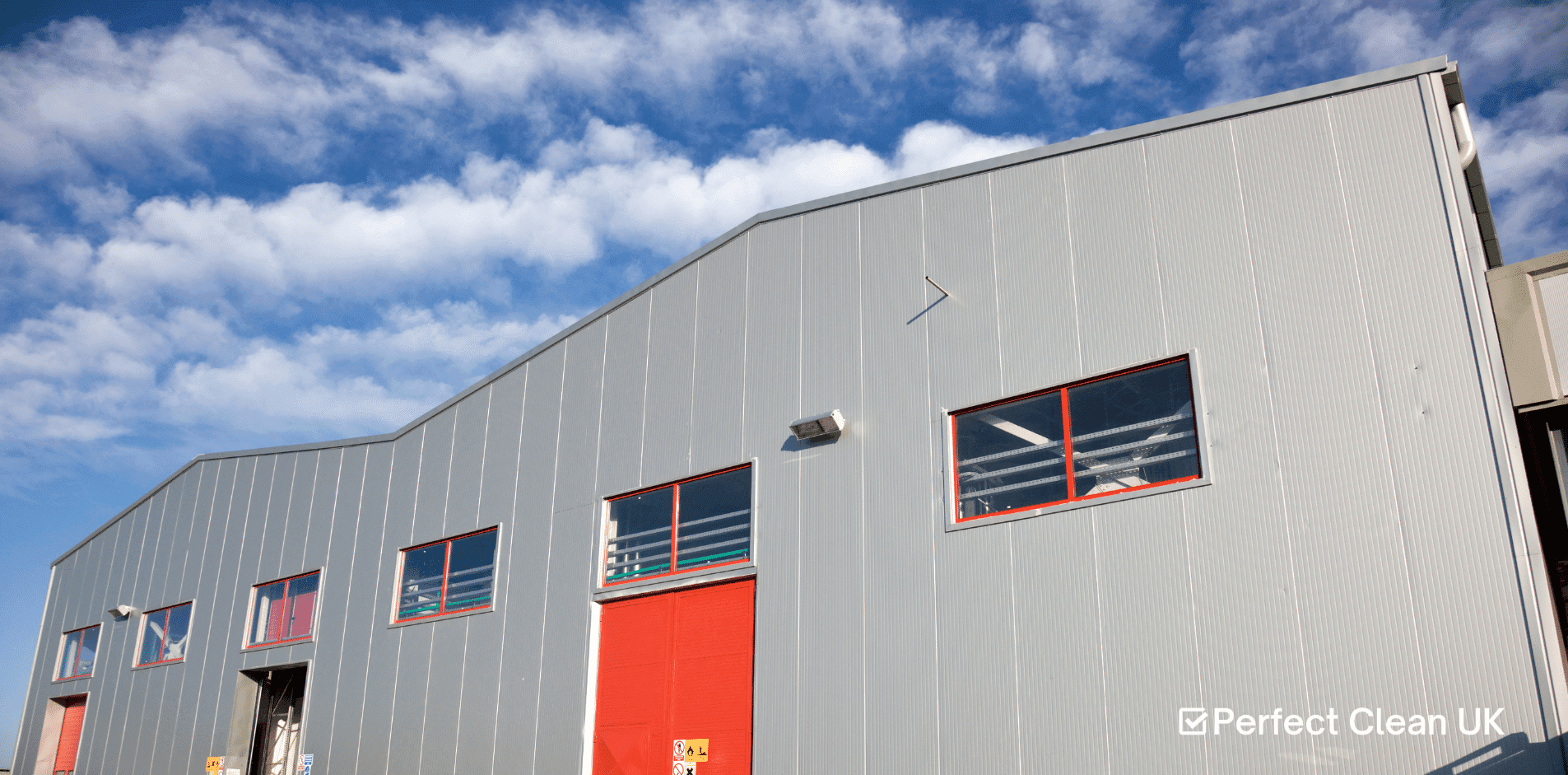
When a bio-hazard incident happens in a commercial unit, such as a workplace injury, an unattended death above a shop, or contamination in a shared loading bay, the first question is usually, “who’s dealing with bio-hazard in commercial premises?” The next question is, “who’s paying for it?” The answers are often found in the lease, hidden in clauses written long before anyone expected to use them this way.
Need professional help? Perfect Clean UK provides biohazard cleaning and decontamination across Scotland and the North of England.
What counts as a bio-hazard in commercial premises?
In commercial properties, bio-hazard contamination includes more situations than most tenants and landlords might expect:
- Blood and bodily fluids, which can result from workplace injuries, assaults, medical emergencies, or self-harm incidents on the premises.
- Unattended deaths, sometimes found in commercial units with residential spaces above or attached, or in places that have not been inspected for a while.
- Sewage and wastewater contamination, which can come from blocked drains, failed pumping stations, or sewage backing up into a unit. This is common in older buildings and multi-let sites.
- Needles and drug-related waste, often found in stairwells, car parks, loading bays, or storage areas, especially in units with public access or in mixed-use buildings.
- Biological contamination related to the tenant’s own business, which is relevant for food processing, healthcare, veterinary, or laboratory tenants. In these cases, contamination can come from the business activity itself rather than from an outside event.
- Mould and damp that have reached a hazardous level, where ongoing water leaks or condensation have become more than a maintenance issue and now need specialist remediation and testing.
The common thread with all of these is that they require the same specialist response as bio-hazard incidents in residential property: proper PPE, correct waste classification and disposal, and professional decontamination rather than a standard commercial clean. What’s different about a commercial lease is that responsibility for dealing with it and paying for it is a matter of both contract and common sense.
The lease clauses that actually decide this
A handful of standard commercial lease provisions do most of the work in determining who’s responsible for a bio-hazard incident:
- The repairing covenant is usually the starting point. In a full repairing and insuring (FRI) lease, the tenant is generally responsible for the condition of their premises, while the landlord is responsible for the structure and any shared areas. If contamination affects fixtures, fittings, or internal decoration in the tenant’s space, the tenant is usually responsible. If it affects the building’s structure, drainage, or shared areas, it is more often the landlord’s responsibility.
- The “yield up” or reinstatement clause explains the condition in which the tenant must return the property at the end of the lease. This is often where disputes about bio-hazard contamination arise. If a property is returned with unaddressed contamination, odour, or staining, it probably will not meet the required standard, which can lead to a dilapidations claim.
- The user clause defines what the tenant may use the premises for. This is especially important if the tenant’s business creates a higher risk of biohazards. For example, a landlord renting to a healthcare, veterinary, or food-processing tenant should ensure the lease specifically covers biological waste and contamination hazards, rather as opposed to relying solely on a general repairing covenant
- The service charge clause – governs how costs for common parts (stairwells, shared bin stores, communal car parks) are recovered from tenants. Contamination in these areas is usually the landlord’s responsibility to deal with in the first instance, with the cost then recovered proportionately through the service charge, subject to what the lease actually allows to be charged.
- The insurance provisions in most commercial leases separate buildings insurance, which is usually arranged by the landlord and recharged to the tenant, from the tenant’s own contents and business insurance. Which policy covers a bio-hazard incident and whether the cost can be recovered depend on the exact wording and any exceptions.
- Alienation and assignment clauses are less directly relevant to a single incident, but they become important if contamination affects a tenant’s ability to assign or sublet. An incoming tenant’s solicitor will usually want proof that any contamination has been fully cleaned up and documented.
None of these clauses overrides statutory health and safety duties. No matter what the lease says about costs, both the landlord and the tenant must still comply with the Health and Safety at Work Act 1974 and COSHH 2002 to ensure anyone exposed to the hazard, such as staff, contractors, or visitors, is properly protected. A lease can decide who pays, but it cannot decide whether the law applies.
Who’s responsible in common scenarios
- If blood or bodily fluid contamination occurs within the tenant’s unit as a result of an incident involving the tenant’s staff or customers, it is generally the tenant’s responsibility under the repairing covenant. This is usually covered, if at all, by the tenant’s own business or contents insurance, not the landlord’s buildings policy.
- If contamination occurs in a shared stairwell, lobby, or communal bin area, it is generally the landlord’s responsibility to handle it directly. The cost is then recovered through the service charge if the lease allows.
- Sewage backflow or contamination caused by a structural or drainage defect is usually the landlord’s responsibility, since it relates to the structure and shared installations rather than the tenant’s fit-out or use of the space.
- Contamination that comes from the tenant’s own business activity, such as a biological waste incident in a food processing or healthcare unit, is generally the tenant’s responsibility. The lease often covers this specifically, given the higher risk of this type of use.
- An unattended death or serious bio-hazard incident found at the end of a tenancy is where disputes are most likely. This situation involves both the repairing covenant and the yield-up clause. Whether the cost is the outgoing tenant’s responsibility as part of dilapidations, or the landlord’s as an unavoidable event, depends on the particular circumstances and lease wording. Legal advice is often required here.
- If contamination is found in a vacant unit before a new lease starts, it is the landlord’s responsibility. There is no tenant obligation until a new lease is signed, and the unit must be brought up to a lettable standard before it can be marketed or handed over.
Cost implications
Biohazard remediation in commercial properties frequently involves costs that go beyond just the clean-up:
- The cost of remediation itself: specialist bio-hazard cleaning in a commercial unit is priced similarly to residential bio-hazard work. The price depends on the extent of contamination, the materials affected, and whether structural drying or antimicrobial treatment is needed, rather than on a fixed rate.
- Business interruption: a unit affected by bio-hazard contamination is often unusable until remediation and any needed redecoration are finished. This can lead to extra costs for the tenant, especially in retail, hospitality, and healthcare settings.
- Insurance interaction: business insurance policies vary widely in whether and how they cover bio-hazard remediation. A tenant who assumes their policy will cover an incident may be surprised if the wording excludes it or if the landlord’s buildings policy was meant to respond instead.
- Dilapidation disputes at lease end: unresolved contamination or contamination that was not properly remediated often cause costly disputes during the dilapidation process. A specialist report is often needed to resolve these issues.
- Good documentation reduces disputes. A professionally documented remediation, with photographic proof and a decontamination certificate, gives both the landlord and the tenant a clear record to refer to if a dispute arises later, whether about a service charge, an insurance claim, or dilapidations negotiations.
Specialist Cleaning Support
Commercial leases were rarely written with bio-hazard incidents in mind, but standard clauses such as repair covenants, yield-up provisions, service charge provisions, and insurance terms still determine who is responsible. Knowing which clause applies to each type of incident before anything happens can prevent many disputes later.
Get in touch with Perfect Clean UK to discuss a commercial bio-hazard incident, a dilapidation-related cleaning requirement, or the return of a void commercial unit to a lettable standard.
What counts as a biohazard in commercial premises?
In commercial properties bio-hazard contamination includes blood and bodily fluids, unattended deaths, sewage and wastewater contamination, needles and drug-related waste, contamination related to the tenant’s own business, and mould and damp at a hazardous level. All require the same specialist response as residential bio-hazard incidents: proper PPE, correct waste classification and disposal, and professional decontamination rather than a standard commercial clean.
Which lease clauses actually decide who pays for a biohazard incident?
A handful of standard commercial lease provisions determine responsibility: the repairing covenant (FRI leases), the yield up or reinstatement clause, the user clause, the service charge clause, the insurance provisions, and the alienation and assignment clauses. None override statutory health and safety duties, but the lease can allocate costs and responsibilities for bio-hazard incidents.
Who’s responsible in common scenarios for biohazard incidents?
If blood or bodily fluid contamination occurs within the tenant’s unit, the tenant is usually responsible under the repairing covenant and typically covered by the tenant’s own insurance. If contamination is in a shared area, the landlord generally handles it first, with costs recovered through the service charge if allowed. Sewage backflow or contamination from structural or drainage defects is usually the landlord’s responsibility. Contamination from the tenant’s own business activity is generally the tenant’s responsibility. An unattended death or serious incident at the end of a tenancy is disputed and depends on the lease, with legal advice often required. If contamination is found in a vacant unit before a new lease, it is the landlord’s responsibility.
What are the cost implications of biohazard remediation in commercial properties?
Remediation costs include the specialist cleaning itself, which varies with extent and materials; business interruption costs when a unit is unusable; insurance interaction, as policies may or may not cover the incident; dilapidation disputes at lease end if contamination is unresolved; and the benefit of good documentation, such as a remediation report and decontamination certificate, to reduce disputes.
What role does Specialist Cleaning Support play and how can disputes be prevented?
Specialist cleaning support is essential because commercial leases usually rely on standard clauses like repair covenants, yield-up, service charges, and insurance terms to determine responsibility. Knowing which clause applies to each type of incident before it happens can prevent many disputes, and professionals like Perfect Clean UK can assist with remediation, dilapidation cleaning, or returning a void unit to a lettable standard.